Contract Manufacturers
Ever wonder how your favorite products, from skincare serums to tech accessories, reach store shelves so flawlessly? The answer often lies behind the scenes with contract manufacturers. These silent powerhouses don’t just produce goods; they fuel innovation, enhance quality, and cut costs, allowing brands to scale without sacrificing identity or integrity. In today’s competitive market, partnering with a contract manufacturer isn’t just smart, it’s essential for success.
Look closely behind some of the world’s fastest-growing and most admired brands, and you’ll often find a powerful, invisible engine at work: a contract manufacturer. While most consumers may never hear about them, these strategic partners are responsible for turning ideas into tangible products, ensuring quality, and keeping costs under control.
For startups and global giants alike, contract manufacturers are more than suppliers; they’re innovation partners, cost reducers, and growth accelerators. Let’s take a closer look at how they make it all happen behind the scenes.
Contract Manufacturer Highlights Table
| Topic | Details |
|---|---|
| Role | Third-party production partner for brands |
| Key Benefit | Drives innovation, quality, and cost savings |
| Innovation Support | Offers R&D, prototyping, and product improvement |
| Quality Control | Follows ISO, GMP, FDA, and industry-specific standards |
| Scalability | Adjusts production volume based on demand |
| Cost Savings | Reduces labor, equipment, and overhead expenses |
| Bulk Sourcing | Gains pricing advantage through volume purchasing |
| Private Label | Offers ready-made products for branding |
| OEM Services | Produces custom products from brand’s design |
| Speed to Market | Accelerates product launch timelines |
| IP Protection | Uses NDAs and contracts to secure brand formulas/designs |
| Compliance | Ensures regulatory approval for global markets |
| Global Reach | Often operates in multiple countries or regions |
| Logistics Integration | Offers supply chain and fulfillment services |
| Real-Time Tracking | Uses dashboards to monitor production & quality |
| Risk Reduction | Diversifies production sites for supply chain resilience |
| Product Customization | Tailors formulations, packaging, and labeling |
| Startup-Friendly | Ideal for brands without in-house manufacturing |
| Long-Term Partnership | Supports product growth and brand expansion |
| Tech Integration | Implements AI, robotics, and automation in production |
| Flexible Contracts | Offers short and long-term options |
| Inventory Management | Assists with warehousing and reorder planning |
| Environmental Standards | Many comply with sustainable manufacturing practices |
| Industries Served | Beauty, tech, wellness, food, fashion, supplements |
| Competitive Edge | Enables brands to focus on marketing and innovation |
Innovation Starts with Collaboration, Not Just Production
Many people mistakenly think contract manufacturers are just large factories that follow instructions. In reality, the best ones serve as innovation hubs. They bring deep industry experience, cutting-edge R&D, and a front-row seat to emerging trends across multiple product categories.
When a brand comes up with an idea, a great contract manufacturer doesn’t just take notes; they co-create. Their in-house engineers and chemists help improve formulas, enhance functionality, and identify better packaging options. With rapid prototyping and lab testing, they can turn your napkin sketch into a shelf-ready product.
This collaborative process helps brands get to market faster, avoid costly trial-and-error, and ensure their product is built to win from day one.
Quality Isn’t Just a Promise: It’s a Process
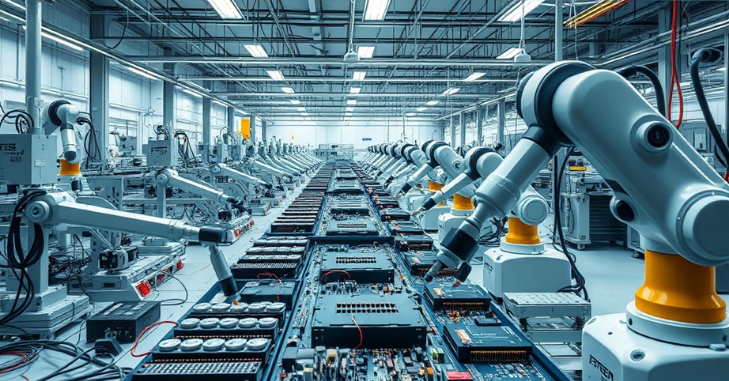
Today’s consumers are more informed than ever. They demand clean ingredients, durable materials, and ethical production. Contract manufacturers help brands meet (and exceed) those expectations through rigorous quality control systems.
Whether it’s cosmetics, supplements, electronics, or apparel, leading contract manufacturers follow global standards like ISO, GMP, and FDA regulations. From sourcing raw materials to final packaging, each product undergoes multi-stage testing for safety, consistency, and performance.
For brands, this level of quality assurance is more than peace of mind; it’s a competitive edge. Fewer defects mean fewer returns, higher customer satisfaction, and stronger brand loyalty.
Scale Like a Pro Without the Overhead

Trying to scale in-house production is expensive and risky. You’d need to invest in equipment, hire skilled labor, manage compliance, and secure warehouses. For most brands, mainly startups, that’s a massive barrier to growth.
With flexible capacity and turnkey infrastructure, they allow brands to scale up (or down) as needed, without the stress. Whether you’re launching a new product or entering a new market, your production can grow with you.
And the best part? You focus on branding, sales, and customer experience while your partner handles the rest.
Cost Savings That Don’t Sacrifice Value
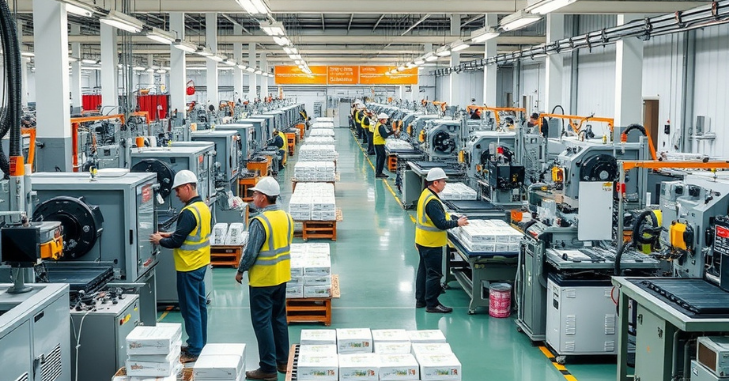
Let’s face it, manufacturing isn’t cheap. But when you partner with the proper contract manufacturer, it becomes more cost-effective than you might think.
They purchase raw materials in bulk, maintain long-term supplier relationships, and use highly efficient machinery. These economies of scale directly benefit your bottom line. You’ll also save on labor, equipment maintenance, and compliance costs—all while accessing premium-quality production.
This lean model is why so many successful brands, especially in beauty, wellness, and tech—choose to outsource. It frees up capital for product development, marketing, and expansion.
Private Label & OEM: Quick Wins for Smart Brands
Don’t want to start from scratch? No problem. Many contract manufacturers offer private label and OEM (Original Equipment Manufacturer) services, where you take an existing product, customize it, and brand it as your own.
This approach is perfect for brands looking to:
- Test new product lines
- Enter the market quickly
- Offer complementary SKUs to existing bestsellers.
It’s faster, lower risk, and still allows you to maintain brand identity and quality control.
Reinventing the Supply Chain: Speed + Resilience

The last few years have made one thing clear: resilient supply chains win. From global pandemics to raw material shortages, businesses have had to rethink how they get products to shelves.
Contract manufacturers play a significant role in this transformation. With facilities in multiple regions and established logistics networks, they offer built-in flexibility. If one facility faces delays, production can often shift elsewhere, keeping your orders on time and customers happy.
Their global sourcing expertise also helps brands avoid price spikes, shipping bottlenecks, and material shortages. In short, they’re your shield against chaos.
Protecting Your Ideas with Professionalism
One concern many entrepreneurs have is: “What if they steal my formula or design?” Reputable contract manufacturers take intellectual property (IP) protection seriously. With NDAs, clear contracts, and secure internal protocols, your ideas and formulas remain yours. Working with a vetted manufacturer gives you not just legal protection, but the peace of mind to innovate freely.
Real Success: How Contract Manufacturing Builds Winning Brands
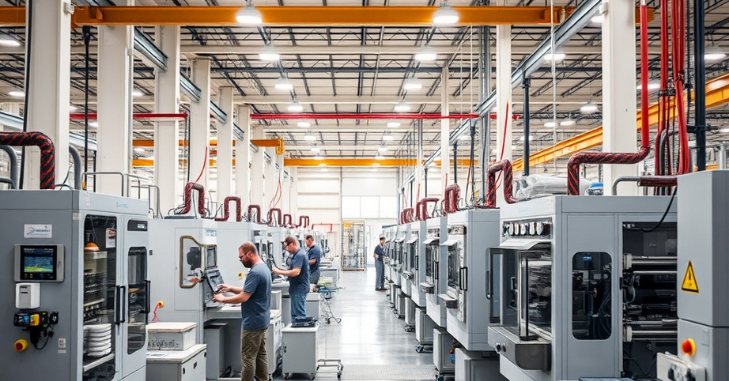
Take the example of a small skincare startup that launched just two years ago. With no in-house lab or production team, they partnered with a contract manufacturer that offered formulation support, packaging guidance, and fulfillment. Today, they’re stocked in major retailers and shipping globally.
Or consider a mobile accessories brand that scaled from 1,000 to 50,000 units per month in under a year, thanks to their contract manufacturer’s rapid-response production model. These aren’t exceptions; they’re evidence of what’s possible when a brand and a manufacturer align.
Data-Driven Decisions & Smarter Operations

The modern contract manufacturer is also tech-savvy. Many now use AI-powered forecasting, automated reporting, and real-time dashboards that give brands insight into every step of production. Want to track output in real time? Monitor quality scores? Forecast demand? It’s all possible, and it empowers brands to make faster, smarter decisions while staying agile.
Timeline of a Brand-Manufacturer Partnership
| Stage | What Happens |
| Week 1–2 | Consultation + Feasibility Review |
| Week 3–4 | R&D + Prototype Development |
| Week 5–6 | Testing + Quality Assurance Setup |
| Week 7–8 | Costing + Supply Chain Planning |
| Week 9–10 | Pilot Production Run |
| Week 11–14 | Full-Scale Manufacturing + Packaging |
| Ongoing | Scaling, QA, and Reordering |
Conclusion
In the background of every wildly successful brand is a network of strategic decisions, and a reliable contract manufacturer is one of the smartest moves a business can make. More than just manufacturers, these partners are strategic innovators, solution-finders, and catalysts for expansion.
These hidden champions aren’t merely producers; they’re trusted problem-solvers, creative thinkers, and partners in progress. Whether you’re launching a private label, expanding globally, or optimizing production, working with a trusted contract manufacturer can elevate your brand to new heights.
Want to know about “From Onboarding to Advancement: Comprehensive Corporate Training Paths That Foster Continuous Professional Growth and Long-Term Career Success” Check out our “Business” category.
Frequently Asked Questions (FAQs)
A contract manufacturer is a third-party company that produces goods on behalf of a brand. They handle everything from raw material sourcing and product formulation to manufacturing, packaging, and sometimes even logistics.
They provide R&D services, rapid prototyping, and technical expertise that help brands improve or customize their products before launching, reducing risk and time-to-market.
Not at all! Startups and small businesses frequently use contract manufacturers to reduce upfront costs, test products, and scale efficiently without heavy capital investment.