Beatles Haircut
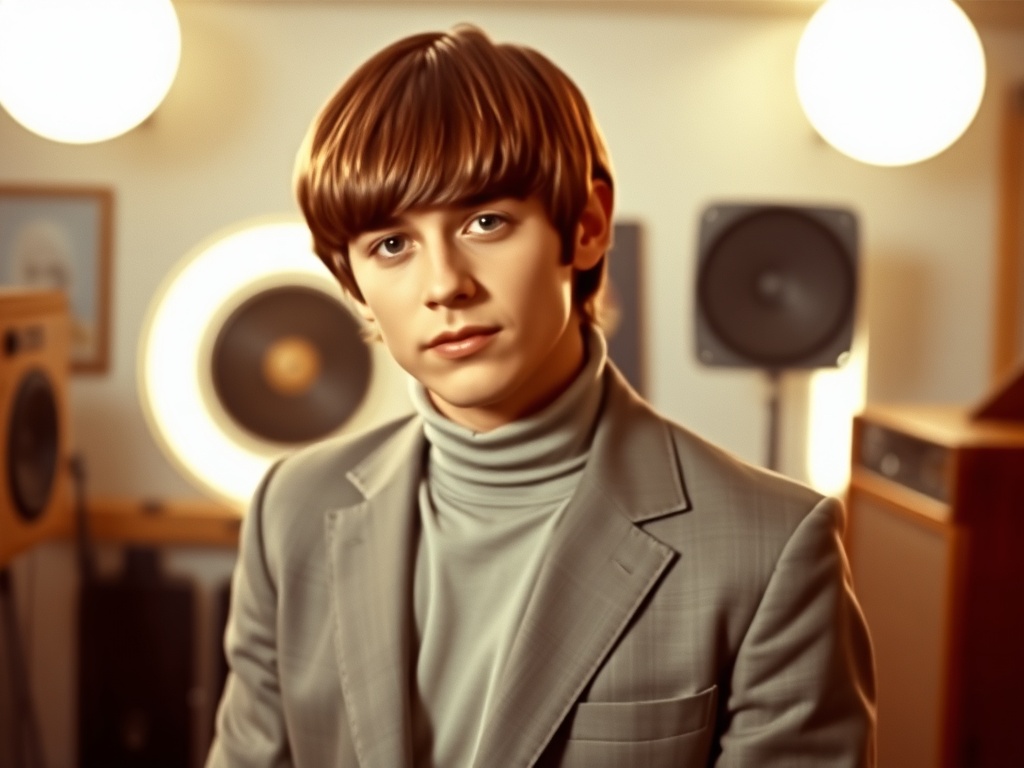
The Beatles Haircut is a famous style linked to the iconic British band, The Beatles, formed in Liverpool in the early 1960s. The look began in Hamburg, Germany, inspired by photographer Astrid Kirchherr and first worn by George Harrison and Stuart Sutcliffe. This soft, mop-top Haircut became a symbol of youthful rebellion and new fashion.
The band members—John Lennon (1940), Paul McCartney (1942), George Harrison (1943), and Ringo Starr (1940)—used this style to create a unique identity. The Beatles Haircut changed fashion and culture, leaving a lasting impact that still influences today’s style worldwide.
| Basics | Summary |
| Origin | Hamburg, Germany |
| Influence | Astrid Kirchherr |
| Style | Soft, mop-top cut |
| Debut | George, Stuart |
| Adoption | All Beatles followed |
| Reaction | Teens loved it |
| Controversy | Adults disapproved |
| Trend | Global barbers copied |
| Statement | Anti-tradition |
| Ease | Low-maintenance |
| Fashion | Inspired bold looks |
| Gender | Worn by all |
| Media | TV made it iconic |
| Branding | Defined their image |
| Evolution | Grew over time |
| Legacy | Still influences style |
Origins of the Beatles Haircut
Hamburg Influence
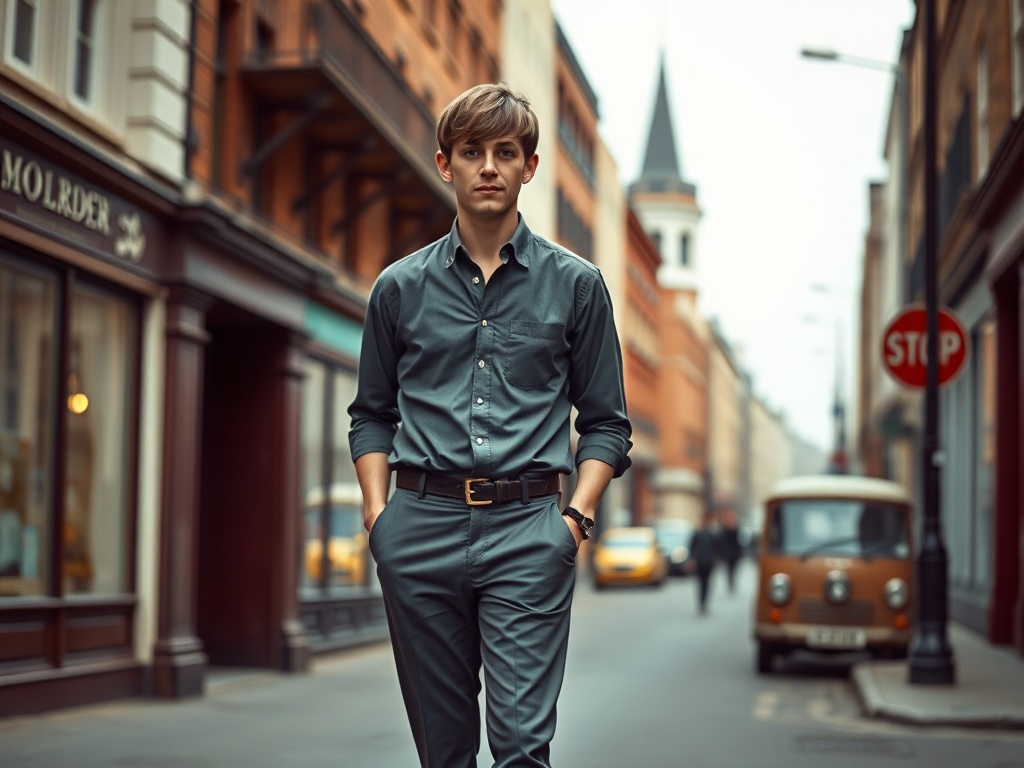
While performing in Hamburg, Germany, the Beatles met photographer Astrid Kirchherr, who introduced them to European fashion and art culture. Inspired by her vision, she gave them a softer hairstyle, unlike anything popular in England at the time. Her idea became the foundation of the Beatles Haircut. It marked the beginning of their evolution, not just musically but visually. This bold step helped the band stand apart and sparked their cultural transformation.
Early Adoption
At first, only a few Beatles wore the Haircut. George Harrison and Stuart Sutcliffe were among the first to try it. Eventually, the entire band adopted the style after returning to England. It became their trademark look. The Haircut quickly caught the attention of fans and the press, making them trendsetters in both music and fashion. Their new image played a significant role in defining the band’s unique and youthful identity.
Reactions to the Haircut
When the Beatles Haircut first appeared, reactions were mixed. Many older people found it shocking, calling it unkempt or feminine. However, teenagers loved it and rushed to copy the style. Some schools and workplaces even banned the Haircut, believing it represented rebellion. The controversy only made it more appealing. As a result, barbers across the world started receiving requests for the “Beatle cut,” solidifying the Hairstyle’s place in pop culture history.
Revolution
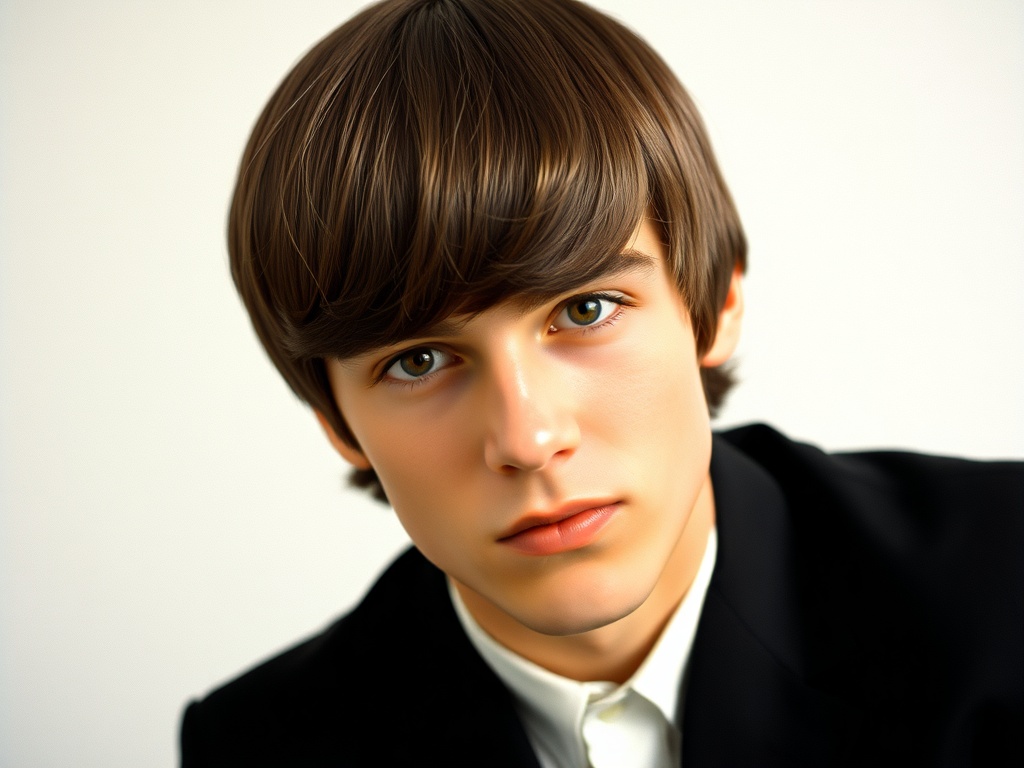
- Challenged tradition: The Haircut broke away from stiff, combed-back styles, symbolizing youthful freedom and change.
- Easy to wear: It requires little grooming, making it ideal for everyday wear and popular among young men.
- Affordable style: Unlike salon hairstyles, it was accessible, often done at home or by friends.
- Cultural impact: The Haircut inspired global trends, showing how a simple look could shape modern culture.
Impact on Style
Fashion Inspiration
The Haircut greatly influenced how young people dressed. It encouraged a more relaxed, creative approach to fashion. Fans began wearing bold shirts, narrow trousers, and boots—styles that matched the carefree hair. This shift moved away from the formal clothing of earlier decades. The Beatles didn’t just change how people listened to music—they also changed how they dressed. Their Haircut became a signal of open-mindedness, youth, and modern lifestyle choices.
Breaking Barriers
The Beatles Haircut also blurred gender norms. Its soft, rounded shape appealed to both men and women, making it a unisex fashion statement. During the 1960s, this was revolutionary. It opened conversations about self-expression, identity, and style. The Haircut’s popularity encouraged people to be bold with their looks. It allowed many to feel confident stepping outside of traditional grooming expectations, helping shape the direction of personal style for decades to come.
Media
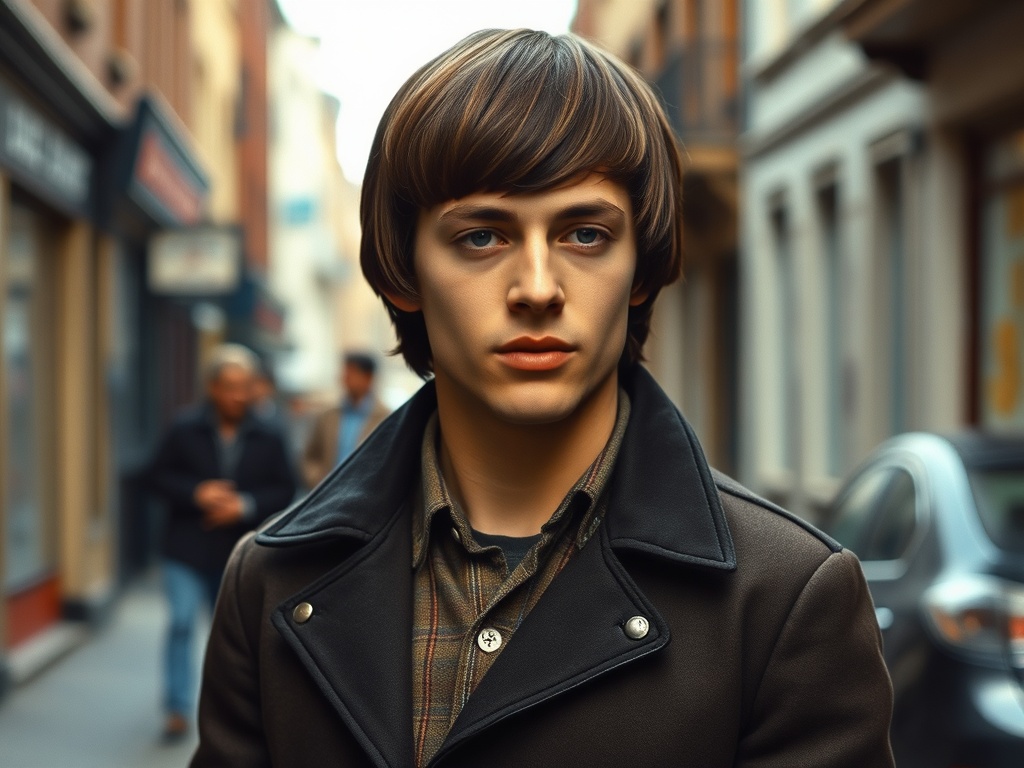
The media played a significant role in popularizing the Haircut. When the band appeared on The Ed Sullivan Show, their look captivated millions. Magazines, television, and newspapers featured close-up photos of their hair, which fascinated fans. The Haircut wasn’t just a personal style—it became a media sensation. It helped the Beatles stand out visually and made the mop-top one of the most recognizable fashion statements in modern entertainment and music history.
Changed Over Time
- Early years (1962–1964): Clean and rounded, the original mop-top was uniform among all band members.
- Middle era (1965–1966): Their hair grew longer and slightly messier as their music evolved.
- Later years (1967–1970): Each member developed personal styles with longer, shaggier haircuts.
- Post-breakup: Even after the band split, the Beatles Haircut remained a defining look from their golden era, remembered by fans.
Lasting Legacy
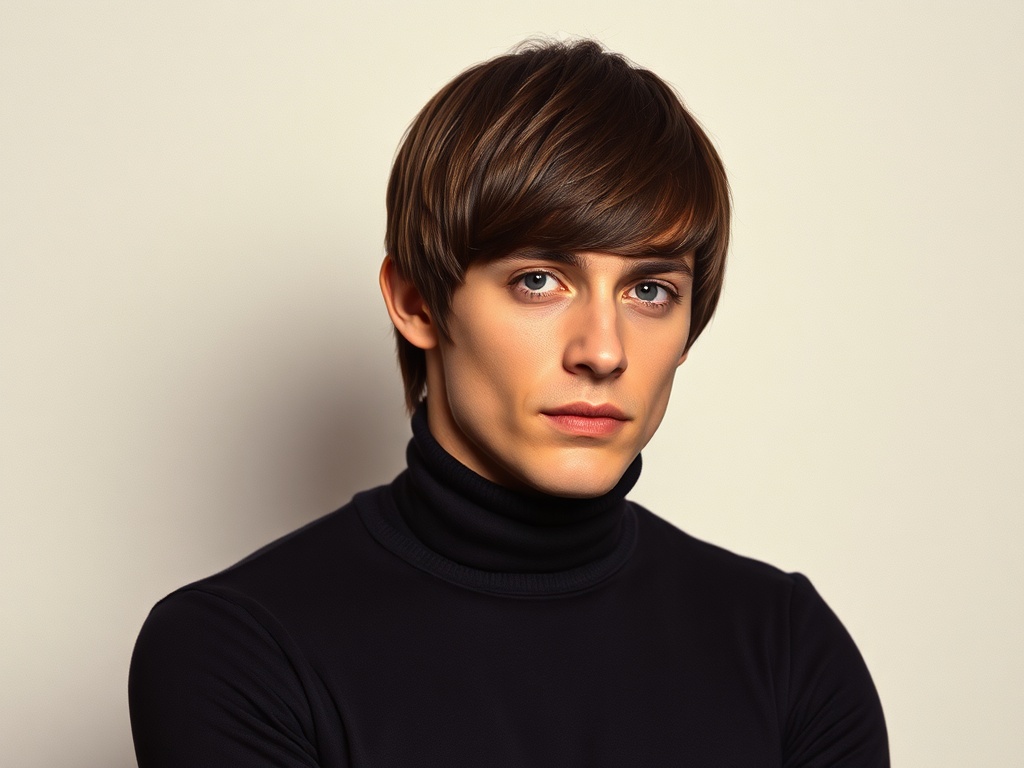
The Haircut still matters today because it represented a shift in how people express themselves. It wasn’t just about hair—it was about change, freedom, and rebellion. Even decades later, it remains one of the most recognized hairstyles ever. Modern artists and fans still revisit the look in music videos, fashion campaigns, and tributes. The mop-top Haircut proves that a simple style can leave an unforgettable mark on global culture.
Conclusion
The Beatles Haircut remains an iconic symbol of cultural change and youthful freedom. Originating in the 1960s, it challenged traditional styles and inspired new fashion trends worldwide. Beyond being just a hairstyle, it helped define The Beatles’ image and influence on music and style. Decades later, the mop-top Haircut continues to inspire artists and fans alike, proving its timeless legacy in both fashion and popular culture around the globe.
Want to know about “Women’s Tennis Outfits: Redefining On-Court Style and Comfort for Competitive Play” Check out our “Fashion” category.
FAQs
The Haircut is a soft, mop-top style with straight bangs and rounded edges, popularized by The Beatles in the 1960s as a symbol of youthful rebellion and fresh fashion.
Photographer Astrid Kirchherr inspired the Beatles during their Hamburg days by introducing them to European art and fashion, which led to their signature softer Hairstyle.
Many adults found the Hairstyle unkempt or feminine, leading to bans in schools and workplaces. However, teens embraced it as a symbol of freedom and rebellion against tradition.
The Haircut encouraged relaxed, creative clothing choices, breaking away from formal styles and inspiring bold looks like narrow trousers and colorful shirts among youth worldwide.