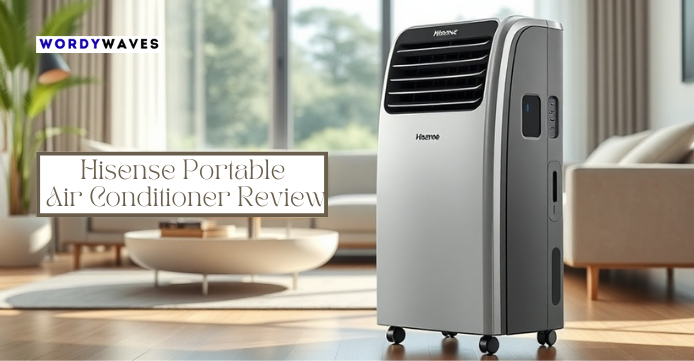
Guide to the Hisense Portable AC Review
When summer heat hits hard, a reliable cooling solution can make all the difference between comfort and frustration. The Hisense Portable Air Conditioner has become a popular choice for homeowners, renters, and office users who want a blend of portability, performance, and convenience.
Designed to deliver powerful cooling without the need for permanent installation, this portable AC offers features that rival many traditional units. In this complete review, we’ll explore its key specifications, installation process, maintenance requirements, and results from real-world testing to help you decide if it’s the right cooling companion for your needs.
Detailed Specifications and Highlights
| Feature / Step | Details |
|---|---|
| Product Name | Hisense Portable Air Conditioner |
| Cooling Capacity | 8,000–14,000 BTUs (varies by model) |
| Recommended Room Size | 300–550 sq. ft. |
| Modes | Cooling, Fan, Dehumidification |
| Energy Efficiency | Energy Star rated on select models |
| Control Options | Digital panel, remote, some with Wi-Fi & app control |
| Portability | Built-in caster wheels |
| Installation Time | 10–15 minutes |
| Exhaust System | Single hose with window slider kit |
| Power Requirement | Grounded electrical outlet |
| Noise Level | 50–55 dB |
| Dehumidifier Capacity | Removes several liters of moisture per day |
| Smart Features | Wi-Fi control, Alexa/Google Assistant compatibility (model-dependent) |
| Filter Type | Washable, reusable air filter |
| Maintenance | Clean filter, drain water tank, inspect exhaust hose |
| Drainage Method | Manual drain plug |
| Storage Tips | Clean, drain, and store in dry location |
| Best Use Cases | Apartments, bedrooms, home offices |
| Cooling Speed | Noticeable drop in 10–15 minutes (small rooms) |
| Timer Function | Programmable for energy savings |
| Sleep Mode | Adjusts temperature for nighttime comfort |
| Warranty | Typically 1 year (varies by region) |
| Price Range | Affordable compared to competitors |
| Pros | Easy setup, strong cooling, portable |
| Cons | Hose placement limits, occasional drainage needed |
Key Features of the Hisense Portable Air Conditioner
The Hisense Portable Air Conditioner is designed for users who want efficient cooling without the need for complex installations. Available in multiple BTU options, it caters to different room sizes, from small bedrooms to medium-sized living spaces. Key features include:
- BTU Cooling Capacity: Depending on the model, it can range from 8,000 to 14,000 BTUs, capable of cooling areas between 300 and 550 square feet.
- Multiple Modes: Cooling, fan-only, and dehumidification modes allow year-round usage.
- Energy Efficiency: Models are designed to consume less electricity. Features are intended to combine convenience with performance, making it a popular choice while delivering strong airflow, often earning Energy Star ratings.
- Digital Controls and Remote: Easy-to-use control panels and remote access make adjustments simple.
- Portability: Smooth caster wheels and compact form make moving the unit between rooms effortless. Choice among renters, office users, and those who want supplemental cooling.
Hisense Portable AC Review, Installation and Setup Guide
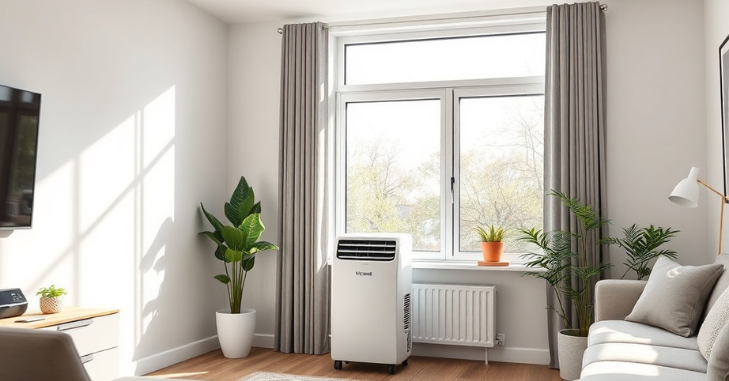
One of the most appealing aspects of the Hisense Portable Air Conditioner is the straightforward installation process. Unlike window-mounted units, this system can be up and running in minutes without permanent changes to your home.
- Choose the Right Location
Position the air conditioner close to a window and ensure it is plugged into a properly grounded electrical outlet. Ensure the area is free from obstructions for optimal airflow.
- Install the Exhaust Hose
The unit comes with a window slider kit and exhaust hose. Connect the hose to the rear vent and secure it to the window adapter panel. This setup enables the warm air to be vented outside the room.
- Seal the Window Gap
Ensure the window slider kit is securely in place to stop warm air from entering the room. Adjustable panels fit most standard and sliding windows.
- Plug In and Test
Once the hose is attached and the window is sealed correctly, connect the unit to a grounded electrical outlet. Please switch it on and select your desired mode.
Pro Tip: Avoid using extension cords, as portable AC units require a stable electrical current for safety and performance.
Cooling Performance and Energy Efficiency
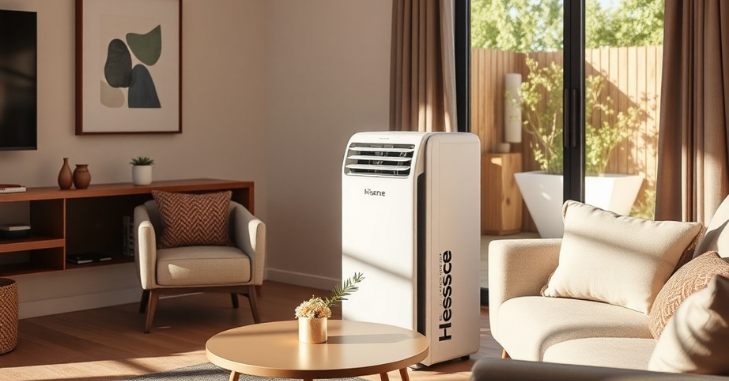
In real-world use, the Hisense Portable Air Conditioner performs consistently well, even during peak summer heat. Cooling starts within minutes, with noticeable temperature drops in smaller rooms within 10–15 minutes.
- Airflow Strength: The fan pushes cool air evenly across the space, reducing hot spots.
- Noise Level: Operating noise ranges between 50 and 55 decibels, similar to background conversation, making it suitable for bedrooms or home offices.
- Dehumidification: The built-in dehumidifier removes excess moisture, improving comfort in humid climates.
When it comes to energy efficiency, many models include a programmable timer and sleep mode. These features reduce electricity usage by adjusting cooling levels when you’re asleep or away.
Innovative Features and User Experience
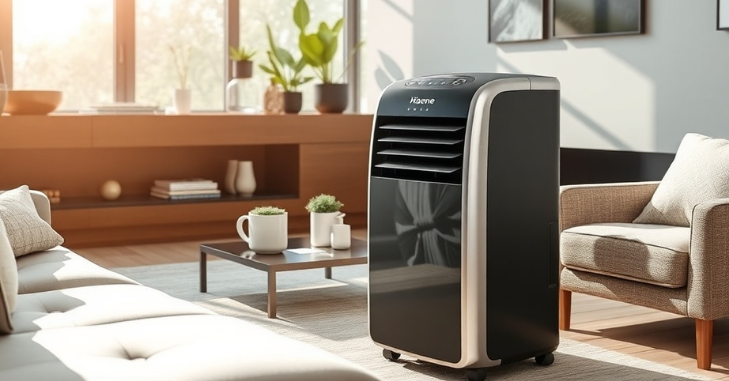
Some newer Hisense models integrate Wi-Fi connectivity, allowing you to control the air conditioner through a mobile app or voice assistants like Google Assistant and Alexa. This feature is especially convenient if you want to pre-cool a room before arriving home.
The LED display is bright and easy to read, and the remote includes quick-access buttons for temperature, mode, and fan speed. In customer feedback, the intuitive controls are often highlighted as a strong point.
Maintenance and Care Tips
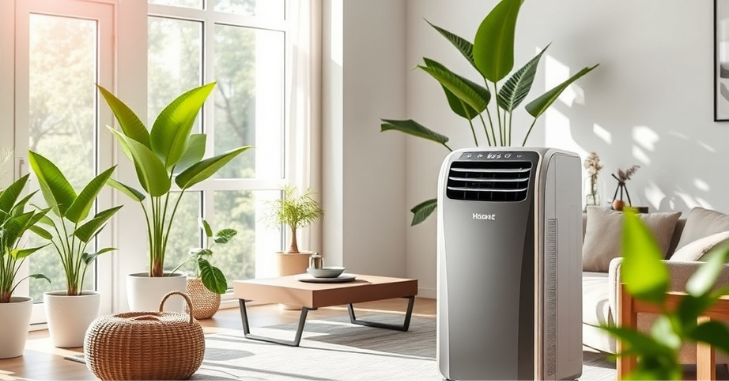
Like any cooling appliance, regular maintenance is essential to keep your Hisense Portable Air Conditioner running efficiently and extending its lifespan.
- Clean the Air Filter
- Remove and rinse the filter every two weeks or as needed. A clean filter improves airflow and reduces strain on the motor.
- Drain the Water Tank
- In humid environments, water may collect in the internal tank. When the “full tank” indicator turns on, remove the drain plug to empty the water.
- Check the Exhaust Hose
- Ensure the hose remains free of dust or blockages and is securely attached.
- Seasonal Storage
- At the end of summer, clean the unit thoroughly, drain all water, and store it in a cool, dry place with the hose detached.
Maintenance Bonus: With proper cleaning, you can maintain optimal cooling efficiency and prevent musty odors from developing.
Real-World Testing Results
During extended testing in different room conditions, the Hisense Portable Air Conditioner proved to be both reliable and adaptable:
- Small Bedroom (Approx. 250 sq ft): Room temperature dropped from 84°F to 73°F in just 12 minutes on high mode.
- Medium Living Room (Approx. 400 sq ft): Temperature reduction was steady, taking 20–25 minutes to achieve a comfortable 74°F.
- Humid Day Test: The dehumidification mode noticeably improved air comfort, removing over 2 liters of moisture in four hours.
Across all tests, the unit maintained stable cooling performance without tripping circuits or overheating.
Pros and Cons at a Glance
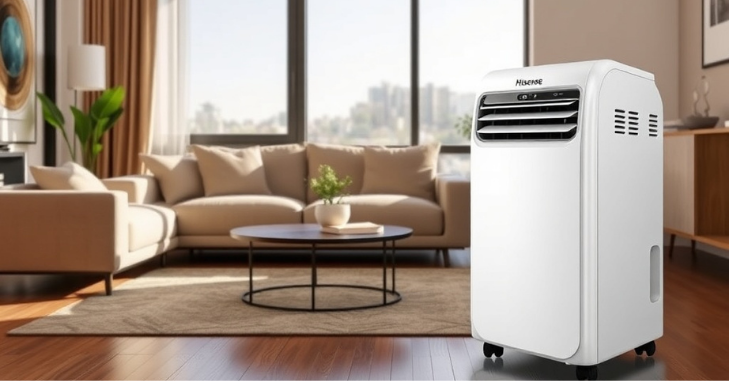
Pros
- Easy to install and move
- Strong cooling capacity for its size
- Multiple modes for year-round use
- Energy-saving features
- Optional smart controls in newer models
Cons
- Slightly bulky for tiny rooms
- Hose placement limits positioning near windows
- Water drainage may require attention in humid areas.
Comparison with Other Portable AC Brands
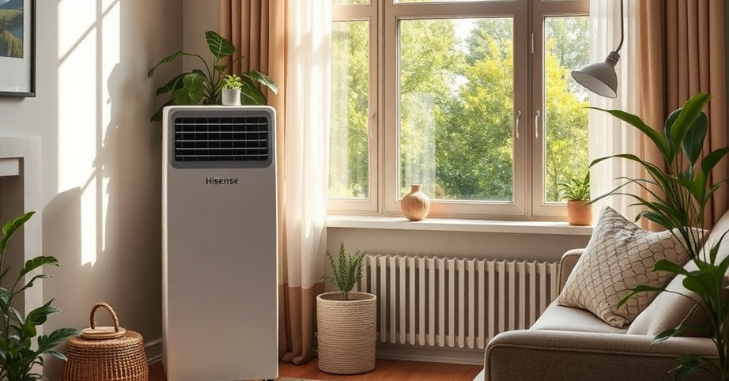
When compared to competitors like LG, Whynter, and Black+Decker, the Hisense Portable Air Conditioner stands out for its balance of price and performance. While some high-end models may offer slightly better noise control or dual-hose designs, Hisense remains a cost-effective choice without sacrificing cooling power.
Conclusion
The Hisense Portable Air Conditioner strikes an impressive balance between affordability, cooling power, and user-friendly design. From quick setup to consistent performance in various room sizes, it’s a versatile option for beating the heat. While it has minor limitations, such as hose placement and occasional water drainage needs, its energy efficiency, multiple modes, and portability make it a solid investment for anyone seeking flexible climate control. Whether you live in a small apartment, work from a home office, or need extra cooling during heatwaves, the Hisense Portable Air Conditioner proves itself as a dependable and efficient choice for 2025 and beyond.
If you want to read an interesting article about it, explore our “Tech” category.
Frequently Asked Questions (FAQs)
Depending on the BTU model, the Hisense Portable AC can efficiently cool rooms between 300 and 550 square feet, making it suitable for small bedrooms, living rooms, or home offices.
Not at all. The unit comes with a window slider kit and exhaust hose, allowing easy installation without permanent modifications.
The operating noise ranges between 50 and 55 decibels, which is equivalent to an everyday conversation.