Best Whole Wheat Bread
Whole wheat bread has long been celebrated as a healthier alternative to refined white bread, and for good reason. Packed with fiber, essential vitamins, and minerals, it offers more than just a hearty taste; it supports digestion, promotes weight management, and contributes to overall wellness. With countless options available in today’s market, choosing the right loaf can feel overwhelming.
From trusted brands to homemade recipes, understanding which bread suits your lifestyle best can make all the difference. In this guide, we’ll explore the nutritional benefits of best whole wheat bread, highlight top-rated brands, share weight loss insights, and even provide easy recipes you can try at home.
Key Information on Whole Wheat Bread
| Category | Details |
|---|---|
| Main Topic | Best Whole Wheat Bread for a Healthy Lifestyle |
| Nutritional Highlight | High in fiber, vitamins, and minerals |
| Fiber Content | 3–4 grams per slice (varies by brand) |
| Vitamins | B1, B2, B3, B6 (energy & nerve health) |
| Minerals | Magnesium, Zinc, Iron |
| Health Benefit 1 | Supports digestion and gut health |
| Health Benefit 2 | Helps stabilize blood sugar |
| Health Benefit 3 | Promotes fullness and weight control |
| Recommended For | Weight loss, diabetes, heart health |
| Top Brand 1 | Dave’s Killer Bread – organic, high protein |
| Top Brand 2 | Ezekiel 4:9 Bread – sprouted grains, flourless |
| Top Brand 3 | Arnold Whole Wheat – soft texture, family-friendly |
| Top Brand 4 | Nature’s Own – no artificial colors, flavors, preservatives |
| Top Brand 5 | Silver Hills Sprouted Power – nutrient-rich, sprouted grains |
| Weight Loss Benefit | Keeps you fuller longer, prevents cravings |
| Homemade Recipe 1 | Classic Whole Wheat Bread (with honey & yeast) |
| Homemade Recipe 2 | No-Knead Whole Wheat Bread (rustic, crunchy crust) |
| Recipe Key Ingredient | 100% whole wheat flour |
| Storage Tip | Keep in sealed bag; refrigerate or freeze for freshness |
| Creative Use 1 | Avocado toast, nut butter spread |
| Creative Use 2 | Sandwiches with lean protein or hummus |
| Creative Use 3 | French toast with healthier twist |
| Expert Tip 1 | Always check “100% whole wheat flour” as first ingredient |
| Expert Tip 2 | Pick bread with at least 3g fiber per slice |
| Expert Tip 3 | Avoid brands with added sugars & preservatives |
Nutritional Benefits of Whole Wheat Bread
Whole wheat bread is a powerhouse of essential nutrients that support overall health. Unlike refined white bread, which loses valuable fiber and vitamins during processing, whole wheat bread retains the bran, germ, and endosperm. This makes it richer in nutrients and a better choice for anyone pursuing a healthy lifestyle.
High in Fiber
Fiber is one of the most significant advantages of whole wheat bread. A single slice can provide up to 3–4 grams of dietary fiber, which helps regulate digestion, prevent constipation, and support long-term gut health. Fiber also promotes satiety, making it easier to manage portion sizes and reduce unnecessary snacking.
Rich in Vitamins and Minerals
Whole wheat bread contains essential vitamins, including B-complex vitamins (B1, B2, B3, and B6), which aid in energy production and nervous system function. It is also a good source of minerals, such as magnesium, zinc, and iron, which help strengthen the immune system, improve metabolism, and support cardiovascular health.
Supports Blood Sugar Control
Since whole wheat bread has a lower glycemic index compared to white bread, it helps stabilize blood sugar levels. This makes it a preferred option for individuals with type 2 diabetes or those at risk of developing it.
Top Whole Wheat Bread Brands to Try

When it comes to choosing the best whole wheat bread, not all products are created equal. Opting for trusted brands ensures both quality and nutritional value.
1. Dave’s Killer Bread 100% Whole Wheat
Known for its organic ingredients and high protein content, Dave’s Killer Bread is a favorite among health-conscious consumers. Each slice provides ample fiber and protein, making it ideal for breakfast or post-workout meals.
2. Ezekiel 4:9 Sprouted Whole Grain Bread
Ezekiel bread is unique because it’s made from sprouted grains, which enhances nutrient absorption and digestibility. It contains no flour, offers a rich source of protein, and is made without artificial preservatives.
3. Arnold Whole Wheat Bread
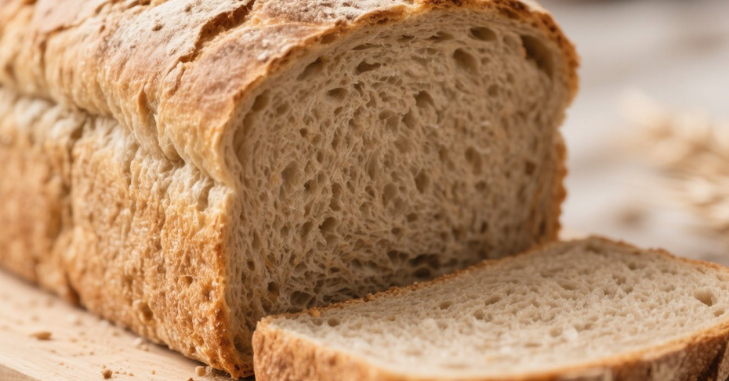
Arnold (also known as Brownberry in some regions) is a widely available brand offering soft-textured whole wheat bread that pairs well with sandwiches and toast. It strikes a balance between taste and nutrition, making it suitable for families.
4. Nature’s Own 100% Whole Wheat
This brand is popular for its affordability and accessibility. Nature’s Own stands out as a healthier choice compared to regular store-bought breads since it contains no artificial flavors, colors, or preservatives.
5. Silver Hills Sprouted Power Bread
Made from sprouted whole grains, Silver Hills bread is a nutrient-dense, high-fiber option, perfect for those seeking a more natural, plant-based choice.
Whole Wheat Bread and Weight Loss

Whole wheat bread can play a significant role in weight management when consumed as part of a balanced diet.
Promotes Fullness
The high fiber content keeps you full for extended periods, reducing the likelihood of overeating. By stabilizing appetite hormones, whole wheat bread helps reduce unnecessary snacking.
Balances Blood Sugar Levels
Spikes and crashes in blood sugar often lead to cravings. Since whole wheat bread digests more slowly, it provides steady energy and prevents those sudden hunger pangs.
Low in Calories but Nutrient-Dense
Compared to calorie-dense processed foods, whole wheat bread offers fewer calories per serving while still being rich in essential nutrients. This makes it a smarter option for those on a calorie-controlled diet.
Easy Homemade Whole Wheat Bread Recipes

Making your own bread ensures that you control the ingredients, avoid unnecessary additives, and enjoy fresher, more wholesome results.
Ingredients:
- 3 cups whole wheat flour
- 2 tablespoons honey or maple syrup
- 2 tablespoons olive oil
- 1 ½ cups warm water
- 1 packet active dry yeast
- 1 teaspoon salt
Method:
- Combine warm water, honey, and yeast in a bowl, then allow the mixture to rest until it becomes frothy.
- Stir in the flour, olive oil, and salt, then work the mixture by hand until a soft, elastic dough develops.
- Cover and let rise for about 1 hour until doubled in size.
- Transfer the dough to a loaf pan and let it rise for an additional 30 minutes.
- Bake at 375°F (190°C) for 30–35 minutes until golden brown.
This bread is soft, slightly sweet, and perfect for sandwiches or toast.
Creative Ways to Enjoy Whole Wheat Bread

Whole wheat bread doesn’t have to be boring. Here are some nutritious and delicious ways to incorporate it into your meals:
- Breakfast Toast: Top with avocado, eggs, or nut butter for a filling start to the day.
- Healthy Sandwiches: Pair with lean proteins like turkey, grilled chicken, or hummus for a balanced meal.
- Bread Crumbs: Use toasted whole wheat bread to make homemade bread crumbs for casseroles.
- French Toast: A healthier twist on the classic breakfast dish when made with minimal sugar.
- Open-Faced Snacks: Try topping with cottage cheese, smoked salmon, or fresh vegetables for a delicious addition.
Expert Tips for Choosing the Best Whole Wheat Bread
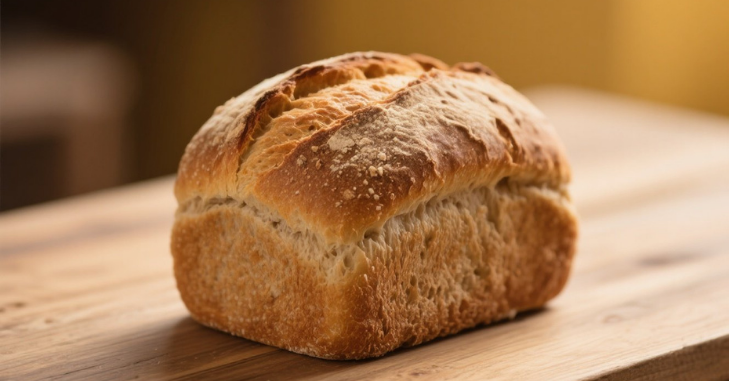
Not all products labeled “wheat bread” are truly whole wheat. Follow these simple guidelines to ensure you’re selecting the healthiest option:
- Check the Ingredients List: Ensure that the label lists “100% whole wheat flour” as the primary ingredient.
- Avoid Added Sugars: Some brands add unnecessary sweeteners that reduce health benefits.
- Look for High Fiber Content: Choose bread that provides at least 3 grams of fiber in each slice.
- Choose Minimal Additives: Fewer preservatives and artificial ingredients usually mean higher quality.
- Check Serving Size: Compare nutritional values per slice to ensure you are making a balanced choice.
Conclusion
The best whole wheat bread is more than just a staple food; it’s a wise choice for anyone committed to healthier living. With its impressive fiber content, nutrient density, and ability to support weight management, it deserves a permanent spot in your kitchen.
Whether you opt for trusted store-bought brands like Dave’s Killer Bread or Ezekiel, or prefer the freshness of homemade loaves, whole wheat bread offers both versatility and nutrition. By making mindful choices and incorporating them into balanced meals, you can enjoy delicious flavors while fueling your body with the goodness it deserves.
Want to know about Best Pina Colada Mix for Tropical Cocktails: Top Brands, Homemade Recipes, and Easy Tips to Make Smooth, Creamy, and Refreshing Drinks at Home Check out our Daily Bites category.
Frequently Asked Questions (FAQs)
Yes, whole wheat bread is generally healthier than white bread because it retains the bran and wheat grain, which are rich in fiber, vitamins, and minerals. White bread, on the other hand, is made from refined flour that loses many of these nutrients during processing.
Whole wheat bread can support weight loss because it is high in fiber, which helps keep you fuller for longer and reduces the likelihood of overeating.
Yes, whole wheat bread has a lower glycemic index compared to white bread, meaning it raises blood sugar levels more slowly. This makes it a better option for individuals with type 2 diabetes or those trying to manage blood sugar levels.