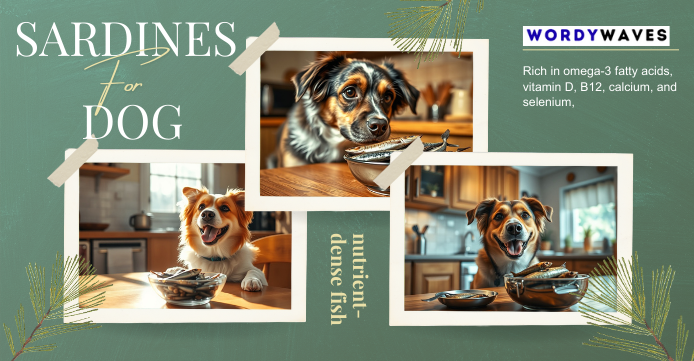
Sardines have quietly become one of the most popular fish to add to a dog’s bowl, and for good reason. These small, oily fish are rich in omega-3 fatty acids, protein, and minerals, and they are low in mercury compared with larger fish. Used correctly, a few sardines can make a genuinely useful topper for many dogs. Used carelessly, they can add too much salt, fat, or calories. This guide walks through what sardines actually offer, how much to feed, how to pick the right can, and when to check with your vet first. We break this down further in Can Dogs See Spirits? Understanding the Paranormal Signs, Spiritual Beliefs.
Are Sardines Good for Dogs?
Yes, for most healthy dogs, plain sardines are a safe and nutritious occasional food. The main draw is their omega-3 content, specifically the long-chain fatty acids EPA and DHA. Dogs cannot produce these efficiently on their own and need to get them from food, so an oily fish like sardines is a convenient natural source (American Kennel Club).
Sardines are also a smart choice on the safety side. Because they are small, short-lived fish that feed low on the food chain (mostly plankton), they accumulate far less mercury than large predatory fish such as tuna or swordfish (Dogster, vet-verified).
One important framing point: sardines are a complement to a complete-and-balanced diet, not a replacement for one. Think of them as a functional treat or topper, not a meal.
Sardine Nutrition, by the Numbers
The figures below are for a standard 3.75 oz can (about 106 g) of Atlantic sardines canned in oil, drained, with bone, based on USDA nutrient data. Water-packed sardines are similar in protein but usually a little lower in fat, and no-salt versions are much lower in sodium.
| Nutrient | Per 3.75 oz can (~106 g) | Why it matters for dogs |
|---|---|---|
| Calories | ~220 kcal | Enough that portions count toward daily intake |
| Protein | ~26 g | Supports muscle and tissue maintenance |
| Total fat | ~12 g | Energy dense; relevant for weight and pancreatitis risk |
| Omega-3 (EPA + DHA) | ~1,000 mg combined | Anti-inflammatory support for skin, joints, and more |
| Calcium | ~400 mg | From the soft edible bones |
| Vitamin D | ~5 mcg (~200 IU) | Bone and immune health |
| Vitamin B12 | ~9 mcg | Nervous system and red blood cell support |
| Sodium | ~325 mg | Watch this: choose no-salt-added cans |
Nutrient values are from a USDA FoodData Central dataset for canned Atlantic sardines and will vary by brand and packing liquid.
Benefits of Sardines for Dogs
Omega-3s for skin, coat, and joints
The EPA and DHA in sardines act as anti-inflammatory agents. Veterinary sources note that omega-3 supplementation is used to support dogs with itchy or flaky skin, allergies, and arthritis or joint discomfort, and it can help promote a healthier coat (VCA Animal Hospitals; AKC).
Support beyond the surface
VCA notes that omega-3 fatty acids are also used as part of the management plan for conditions including kidney disease, heart disease, and inflammatory bowel disease. These are medical uses that should be guided by your vet rather than self-prescribed, but they illustrate why the fatty acids in sardines are valued.
DHA for puppies and seniors
DHA supports brain and eye development in puppies and may help with cognitive function in older dogs (AKC).
Lean protein and minerals
Beyond fat, sardines deliver quality protein plus calcium, vitamin D, and vitamin B12, making them a nutrient-dense addition when fed in sensible amounts.
Risks and Things to Watch
- Calories and fat. A full can is roughly 220 calories. For a small dog, that is a large share of the day’s intake, and the fat content matters for dogs prone to weight gain or pancreatitis.
- Sodium. Many human sardine products are salted or brined. Excess sodium is a concern, especially for dogs with heart or kidney issues. Choose no-salt-added cans.
- Added oils and sauces. Skip sardines packed in flavored oils, tomato sauce, mustard, or with garlic, onion, or other seasonings, which can range from unhelpful to toxic.
- Bones. The soft bones in canned sardines are generally safe and edible, and they add calcium. This is different from hard cooked bones, which can splinter. If you are worried about choking, particularly with small dogs, buy boneless cans or mash the fish.
- Allergies. Fish is a possible allergen. Introduce a small amount first and watch for digestive upset, itching, or other reactions.
How Much Can a Dog Eat? A General Guideline
There is no single official portion for sardines, so treat the table below as a starting point, not a prescription. The key rule from veterinary nutrition guidance is that treats and extras, sardines included, should make up no more than about 10% of your dog’s daily calories. The rest should come from a complete-and-balanced diet. Adjust down for less active or overweight dogs, and always confirm the right amount with your vet. Also worth reading: Why do dogs put their paw on you.
| Dog size | Suggested serving | Frequency |
|---|---|---|
| Toy / small (under 10 lb) | Up to about 1/2 to 1 small sardine | 1-2 times/week |
| Small-medium (10-25 lb) | 1-2 small sardines | 1-2 times/week |
| Medium (25-50 lb) | 2-3 small sardines | 1-3 times/week |
| Large (50-90 lb) | 3-4 small sardines | 1-3 times/week |
| Giant (90+ lb) | Up to about one small can | 1-3 times/week |
As a broad frame of reference, one to three sardines for small to medium dogs and two to four for larger breeds, one to three times a week, is a common starting range (Dogster, vet-verified). Start low, and increase only if your dog tolerates it well.
How to Choose the Right Canned Sardines
The label does most of the work here. Look for:
- Packed in water. Water-packed is the cleanest choice. It avoids added fats and makes portioning easier.
- No added salt. Choose “no salt added” or low-sodium wherever possible.
- No flavored oils or sauces. Avoid olive or vegetable oil packs if you want to control fat, and steer clear of anything in sauces or seasonings.
- Bone-in vs boneless. Bone-in adds calcium and the soft bones are usually safe; boneless is a reasonable pick for small dogs or nervous owners.
- Plain ingredient list. The ideal label reads simply “sardines, water.”
If you rinse a salted can under water before serving, you can lower the sodium somewhat, though buying no-salt-added is better.
Raw vs Canned Sardines
Both can work. Canned sardines in water are convenient, shelf-stable, and pre-cooked, and the soft bones are safe to include. Fresh or raw sardines can be fed too, typically as part of a raw feeding plan, but raw fish carries a parasite and bacteria risk and should be handled carefully; freezing before feeding is a common precaution. For most owners, plain water-packed cans are the simplest safe option. If you feed raw, talk it through with your vet first.
Simple, Vet-Informed Serving Ideas
- Straight topper: mash a portion over your dog’s regular complete-and-balanced food.
- Frozen cubes: blend sardines with a little plain water or unsalted broth, freeze in an ice-cube tray, and use as a cool treat.
- Training bites: break a sardine into small pieces for high-value rewards, counting them toward the daily 10%.
- Homemade stir-in: mix a small amount into plain cooked pumpkin or a vet-approved homemade recipe for variety.
Keep it plain. No salt, oil, onion, or garlic.
When to Talk to Your Vet First
Check with your veterinarian before adding sardines if your dog is overweight or has a history of pancreatitis, kidney disease, heart disease, or a suspected food allergy. Your vet can confirm whether sardines fit your dog’s condition and help you set the right amount, especially if your dog is already on a fish oil supplement, since you do not want to double up on omega-3s and calories without a plan.
Frequently Asked Questions
Can dogs eat sardines in oil?
It is best to avoid it. Oil-packed sardines add extra fat and calories, and some are packed in oils or sauces you do not want your dog eating. Choose sardines packed in plain water with no added salt.
Are sardine bones safe for dogs?
The soft bones in canned sardines are generally safe and provide calcium. They are not the same as hard cooked bones, which can splinter. For small dogs or extra peace of mind, choose boneless cans or mash the fish.
How often can I give my dog sardines?
For most healthy dogs, one to three times a week in appropriate portions is a reasonable range. Keep sardines and all treats to no more than about 10% of daily calories.
Do sardines have too much mercury for dogs?
Sardines are considered a low-mercury fish because they are small and short-lived and feed low on the food chain, which is one reason they are often preferred over larger fish.
Can puppies eat sardines?
In small amounts, the DHA in sardines can support development, but puppies have precise nutritional needs. Confirm the amount with your vet and keep their complete puppy food as the foundation.
The Bottom Line
Plain, water-packed sardines with no added salt are a genuinely useful, low-mercury source of omega-3s, protein, and minerals for most healthy dogs. Feed them as an occasional topper within the 10% treat guideline, keep the diet complete and balanced, and check with your vet if your dog has any health conditions. Done that way, a few sardines a week are an easy win for your dog’s skin, coat, and overall nutrition.