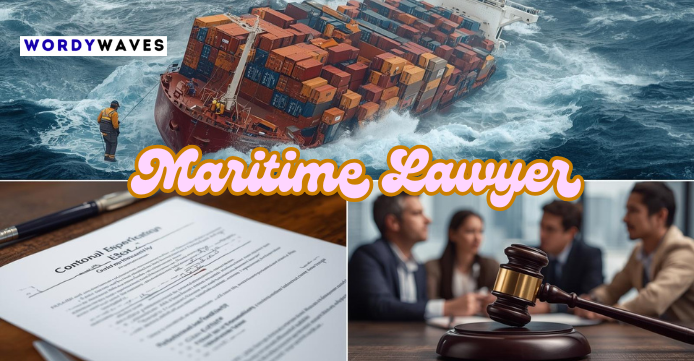
The maritime industry operates under complex legal frameworks that govern shipping operations, vessel ownership, and international trade. When accidents, injuries, or contractual disputes occur, navigating these laws without expert guidance can be overwhelming. This is where a maritime lawyer becomes indispensable. Maritime lawyers specialize in handling complex legal challenges at sea, ensuring that shipowners, crew members, cargo owners, and naval businesses receive expert legal protection.
From shipping accidents and personal injuries to contractual conflicts, their expertise is essential in safeguarding rights, mitigating risks, and securing fair outcomes in a highly regulated industry.
Protecting Crew and Shipowner Rights
| Fact / Service | Description |
|---|---|
| Role of a Maritime Lawyer | Provides legal guidance in shipping, accidents, injuries, and contracts. |
| Shipping Accident Representation | Handles vessel collisions, groundings, and cargo damage cases. |
| Crew Injury Claims | Assists injured crew under the Jones Act and maintenance & cure laws. |
| Contractual Dispute Resolution | Manages charter, freight, and vessel sale disagreements. |
| International Shipping Laws | Ensures compliance with cross-border maritime regulations. |
| Maritime Litigation | Represents clients in federal admiralty courts or tribunals. |
| Arbitration & Mediation | Resolves disputes efficiently without lengthy court trials. |
| Cargo Damage Claims | Secures compensation for lost or damaged goods. |
| Vessel Collision Cases | Determines liability and manages legal claims. |
| Salvage & Towage Disputes | Handles legal issues arising from salvage operations. |
| Insurance Claim Assistance | Coordinates with insurers for vessel, cargo, and liability coverage. |
| Environmental Compliance | Ensures adherence to MARPOL and IMO regulations. |
| Oil Spill & Pollution Cases | Represents clients in environmental damage claims. |
| Risk Mitigation Advice | Advises shipowners on preventing accidents and legal liabilities. |
| Maintenance & Cure | Secures medical care and living expenses for the injured crew. |
| Wrongful Death Claims | Pursues compensation for fatalities in maritime accidents. |
| Legal Advice for Shipowners | Protects business interests and operational compliance. |
| Drafting Maritime Contracts | Prepares legally enforceable contracts for shipping operations. |
| Enforcing Maritime Liens | Protects clients’ rights to overdue payments or breached contracts. |
| Cross-Border Dispute Management | Handles complex international shipping conflicts. |
| Compliance with Federal Laws | Follows the Jones Act, LHWCA, and COGSA regulations. |
| Crew Rights Protection | Prevents employer exploitation and ensures fair treatment. |
| Expert Legal Guidance | Navigates complex domestic and international maritime law. |
| Maximizing Compensation | Ensures clients receive full financial recovery. |
| Preventing Legal Risks | Provides proactive counsel to avoid disputes and penalties. |
Understanding the Role of a Maritime Lawyer
A maritime lawyer, also known as an admiralty lawyer, specializes in laws governing maritime activities, shipping operations, and international waters. These legal professionals play a critical role in protecting the rights of shipowners, crew members, cargo owners, and maritime businesses. Unlike general lawyers, maritime lawyers possess in-depth knowledge of both domestic and international maritime law, which is essential for handling cases involving shipping accidents, personal injuries at sea, and complex contractual disputes.
Handling Complex Shipping Accidents
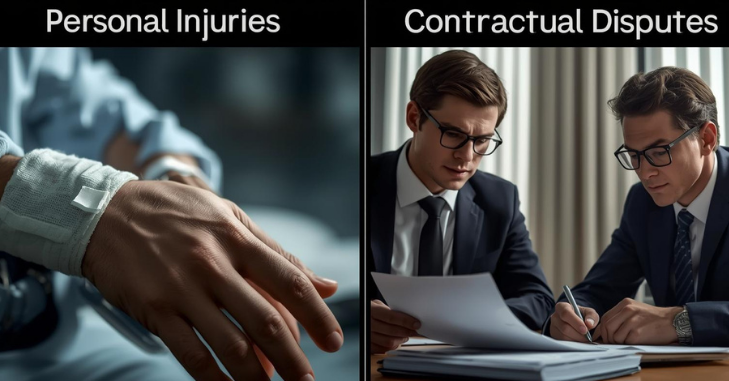
Shipping accidents at sea can involve vessel collisions, groundings, cargo damage, or environmental hazards such as oil spills. A maritime lawyer meticulously investigates the incident, determining liability while considering federal and international regulations.
- Accident Investigation: Maritime lawyers collaborate with marine experts, surveyors, and insurers to reconstruct the accident, gather evidence, and analyze contributing factors.
- Liability Assessment: They identify responsible parties, including shipping companies, vessel operators, or third-party contractors.
- Regulatory Compliance: Maritime accidents are often governed by complex laws, including the Jones Act, the Carriage of Goods by Sea Act (COGSA), and international conventions. Lawyers ensure that filings, claims, and defenses comply with these regulations.
- Negotiation and Litigation: Whether pursuing settlement negotiations or representing clients in court, maritime lawyers craft legal strategies to secure fair compensation for damages, lost cargo, and vessel repairs.
Protecting Crew Members in Personal Injury Cases
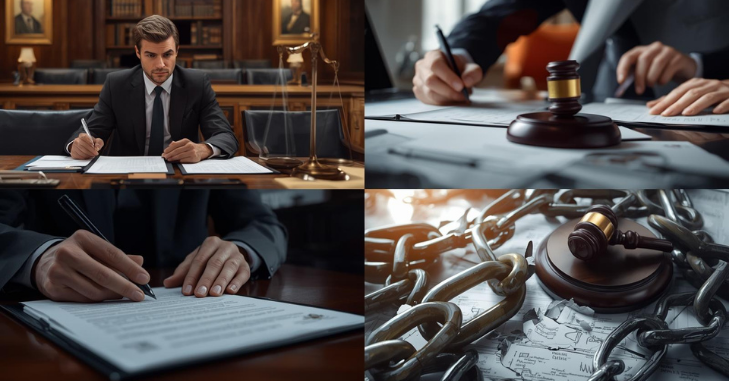
Maritime lawyers are pivotal in representing seafarers and crew members injured during naval employment. The maritime workplace presents unique hazards, including rough seas, heavy machinery, and hazardous cargo, making legal expertise indispensable.
- Jones Act Claims: This U.S. federal law allows injured crew members to file claims against employers for negligence. Maritime lawyers help determine eligibility, calculate damages, and ensure the claim adheres to legal requirements.
- Maintenance and Cure: Crew members are entitled to medical care and living expenses until they reach maximum recovery. A maritime lawyer ensures timely payment and prevents employers from unfairly denying benefits.
- Seafarer Protection: Lawyers protect crew rights when employers attempt to minimize liability, delay medical treatment, or dispute injury claims.
- Workplace Safety Litigation: In cases where negligence leads to severe injury or death, maritime lawyers hold responsible parties accountable, often pursuing compensation for long-term disability or wrongful death.
Navigating Contractual Disputes in Maritime Lawyer Business
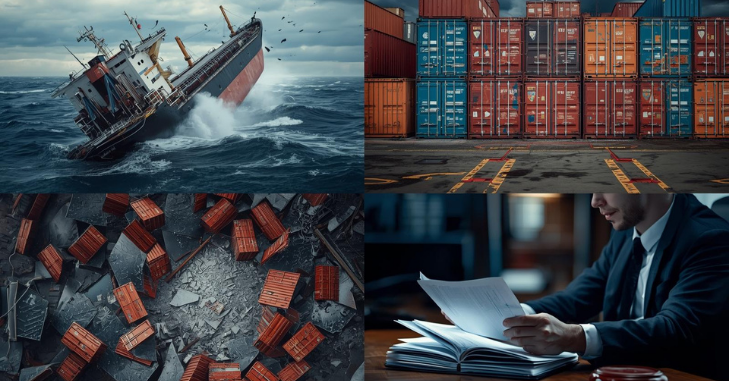
Shipping and maritime businesses rely heavily on contracts, including charter agreements, freight contracts, and vessel purchase agreements. Disputes can arise from delayed shipments, breaches of agreement, or failures to meet regulatory standards. Maritime lawyers provide expert guidance in these situations.
- Contract Drafting and Review: Lawyers ensure that contracts are clear, legally enforceable, and compliant with international maritime regulations. Properly drafted contracts reduce the risk of costly disputes.
- Dispute Resolution: When contractual disagreements arise, maritime lawyers facilitate negotiations, mediation, or arbitration, often resolving issues without resorting to prolonged litigation.
- Enforcement of Maritime Liens: When payments are overdue or obligations remain unmet, lawyers can enforce liens on vessels, cargo, or other maritime assets to secure clients’ rights.
- Cross-Border Legal Issues: International shipping contracts may involve multiple jurisdictions. Maritime lawyers understand international conventions and treaties to protect clients in complex cross-border disputes.
Environmental and Regulatory Compliance
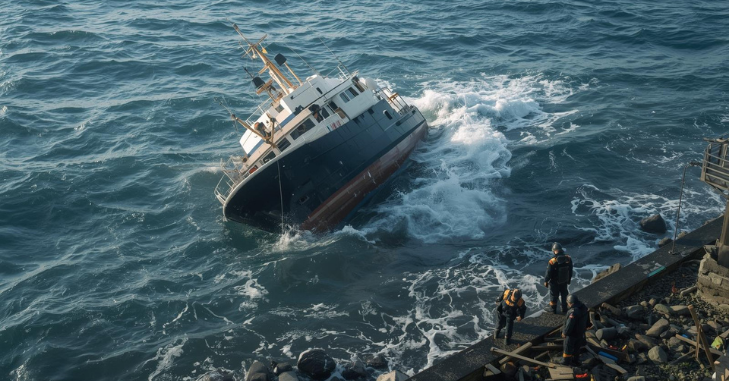
Maritime lawyers also assist clients in adhering to strict environmental and safety regulations. Shipping accidents often cause ecological damage, and failure to comply with maritime environmental laws can result in severe penalties.
- Pollution and Oil Spill Cases: Lawyers handle claims and regulatory proceedings arising from oil spills, hazardous waste, or other maritime environmental incidents.
- International Compliance: International Maritime Organization (IMO) regulations, including MARPOL, impose strict rules on shipping operations. Maritime lawyers help ensure compliance to prevent fines and legal liabilities.
- Risk Mitigation: By advising on regulatory compliance, maritime lawyers minimize the likelihood of accidents and protect companies from potential lawsuits.
Representing Shipowners and Shipping Companies

Shipowners face unique risks in maritime operations, including cargo damage, crew injuries, and collisions. Maritime lawyers serve as strategic advisors, protecting business interests and ensuring operational compliance.
- Insurance Claims and Coverage: Lawyers coordinate with insurers to secure appropriate coverage for vessels, cargo, and third-party liabilities.
- Collision and Salvage Claims: They handle legal actions arising from collisions or salvage operations, determine liability, and ensure fair compensation.
- Operational Risk Management: Legal counsel helps shipowners implement policies to minimize accidents, adhere to international regulations, and avoid costly litigation.
Litigation and Dispute Resolution Expertise

Maritime law cases often require litigation due to the complexity of accidents, injuries, and contractual conflicts. Naval lawyers are skilled in courtroom advocacy and alternative dispute resolution.
- Court Representation: Whether in federal admiralty courts or international tribunals, maritime lawyers present compelling evidence and legal arguments.
- Alternative Dispute Resolution: Mediation and arbitration are common in the maritime industry. Lawyers guide clients through these processes to achieve efficient, cost-effective resolutions.
- Appellate Advocacy: In cases where trial outcomes are unfavorable, maritime lawyers can pursue appeals to challenge legal errors and seek favorable outcomes.
The Value of Experienced Maritime Lawyers

Engaging a knowledgeable maritime lawyer ensures that clients receive comprehensive legal support. Their experience in handling complex shipping accidents, personal injuries, and contractual disputes yields practical solutions, reduced risk, and maximal protection of rights.
- Expert Legal Guidance: Experienced lawyers navigate complex maritime laws, ensuring compliance and strategic decision-making.
- Maximizing Compensation: By identifying all potential claims and liabilities, maritime lawyers secure fair settlements and awards.
- Minimizing Legal Risks: Proactive legal counsel helps prevent disputes and safeguards business and personal interests.
Conclusion
A maritime lawyer is an essential partner for anyone involved in the shipping and marine industry. Their expertise encompasses complex shipping accidents, personal injuries, and contractual disputes, ensuring clients receive expert guidance and protection under complex maritime law.
From advocating for injured crew members to protecting shipowners and resolving cross-border disputes, maritime lawyers provide unparalleled legal support. In a world where naval operations are increasingly complex and regulated, having a skilled maritime lawyer is not just an advantage; it is a necessity for securing fair outcomes, minimizing risk, and maintaining peace of mind at sea.
If you want to read an interesting article about it, explore our Law category.
Frequently Asked Questions (FAQs)
A maritime lawyer specializes in maritime law, including shipping, naval accidents, crew injuries, and contractual disputes. They provide legal guidance, represent clients in court or arbitration proceedings, and ensure compliance with domestic and international maritime law.
You should hire a maritime lawyer if you are involved in shipping accidents, have suffered a personal injury at sea, face contractual disputes, or need guidance on regulatory compliance in naval operations.
Maritime lawyers help injured crew members file claims under the Jones Act, secure maintenance and cure benefits, and pursue compensation for negligence, workplace injuries, or wrongful death.
They handle vessel collisions, groundings, cargo damage, offshore accidents, oil spills, and other maritime incidents that may involve personal injuries or property damage.