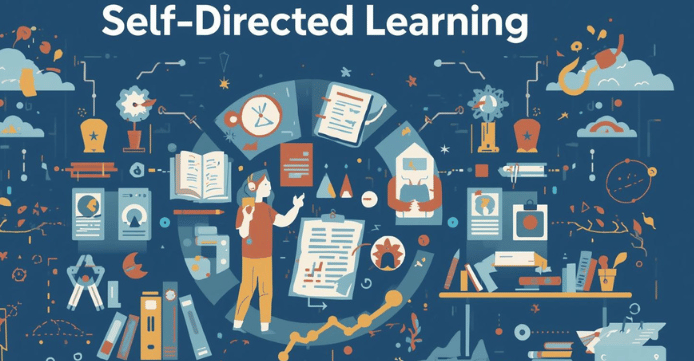
In a world where knowledge is constantly evolving, self-directed learning gives her the power to take control of her own growth. Rather than depending solely on teachers or structured programs, she actively decides what to learn, how to learn it, and when to apply it. This approach nurtures her independence, curiosity, and determination, allowing her to continuously adapt and thrive in both personal and professional aspects of life.
Self-directed learning transforms her education into a purposeful, self-driven journey rather than a passive experience. Self-directed learning empowers her to take charge of her growth, choosing what, how, and when to learn. It cultivates her independence, curiosity, and determination, enabling her to adapt and thrive in every aspect of life.
| Section | Key Points About Her |
| Core Concept | She owns her learning, actively exploring, questioning, and guiding her own growth while using mentors, peers, books, and online resources. |
| Key Characteristics | Self-motivated, curious, responsible, disciplined, reflective; these traits keep her focused and consistent without external supervision. |
| Role of Goal Setting | She sets clear, achievable goals, giving direction and purpose to her learning journey. Each milestone boosts her confidence and motivation. |
| Learning Strategies | She creates personalized plans, uses digital tools and books, practices active learning, and seeks feedback when needed to learn efficiently. |
| Benefits | Builds confidence, adaptability, critical thinking, and a lifelong learning mindset that benefits her academics, career, and personal growth. |
| Challenges | Faces procrastination, lack of structure, and overwhelming resources; overcomes these through planning, discipline, and reflection. |
| Future Impact | Self-directed learning makes her resilient, independent, and capable of shaping a purposeful future filled with growth and success. |
Understanding the Core Concept of Self -Directed Learning

At its core, self-directed learning is about ownership. She becomes both the learner and the guide. Rather than passively receiving information, she asks questions, explores topics in depth, and intentionally decides how and when to learn. This approach encourages lifelong learning and helps her build confidence in her ability to acquire new skills independently.
Self-directed learning does not mean learning alone; instead, it means she chooses how to use mentors, peers, books, online courses, and real-life experiences to support her goals. She takes full ownership of her learning, actively exploring, questioning, and guiding her own growth. She takes full ownership of her learning by actively questioning, exploring, and guiding her growth with purpose and confidence.
Key Characteristics of a Self-Directed Learner
A self-directed learner demonstrates several defining traits:
- Self-motivation: She is driven by internal goals rather than external pressure.
- Curiosity: She actively seeks new knowledge and enjoys exploring ideas.
- Responsibility: She takes accountability for her progress and outcomes.
- Discipline: She manages her time and stays committed to her learning plan.
- Reflection: She regularly evaluates what she has learned and identifies areas for improvement.
These characteristics help her remain consistent and focused, even without strict supervision.
The Role of Goal Setting in Her Learning Journey

Clear goals are the foundation of her self-directed learning process. She begins by identifying what she wants to achieve, whether it is mastering a new skill, improving academic performance, or gaining professional expertise. By setting realistic and measurable goals, she creates direction and purpose. Goal setting also helps her stay motivated.
Each milestone she achieves reinforces her confidence and encourages her to move forward. By setting clear, achievable goals, she gives direction and purpose to her learning journey.
Each milestone she reaches boosts her confidence and keeps her motivated to grow further.
Learning Strategies She Uses Effectively
To make self-directed learning successful, she adopts various strategies, such as:
- Creating a personalized learning plan
- Using digital tools, books, podcasts, and online platforms
- Practicing active learning through note-taking, experimentation, and problem-solving
- Seeking feedback from mentors or peers when needed
These strategies allow her to learn efficiently while maintaining flexibility and independence. The same habit works for language study: building a personal file of sourced rhetorical question examples from whatever she is already reading beats memorising someone else’s list.
Benefits of Self-Directed Learning for Her Personal Growth

Self-directed learning offers numerous advantages:
- Confidence building: She trusts her ability to learn independently.
- Adaptability: She adjusts quickly to new challenges and environments.
- Critical thinking: She learns how to analyze information rather than memorize it.
- Lifelong learning mindset: Learning becomes a continuous and enjoyable process.
These benefits extend beyond academics and positively influence her career, relationships, and decision-making skills.
Challenges She May Face in Self-Directed Learning
Despite its advantages, self-directed learning also presents challenges. She may struggle with procrastination, lack of structure, or feeling overwhelmed by too many resources. Without external deadlines, maintaining consistency can be difficult. However, these challenges can be managed through proper planning, self-discipline, and regular reflection on progress.
She sometimes struggles with procrastination and staying focused without external deadlines.
The abundance of resources can overwhelm her and make decision-making harder.
Lack of structure may cause temporary confusion or slow progress in her learning journey.
With planning, self-discipline, and reflection, she learns to overcome these obstacles effectively.
How Self-Directed Learning Shapes Her Future?

Self-directed learning prepares her for a future that values adaptability and continuous improvement. It equips her with the skills needed to navigate complex situations, learn new technologies, and grow in both personal and professional roles. By taking control of her learning, she becomes more resilient, confident, and capable of shaping her own path.
Self-directed learning empowers her to adapt confidently to a rapidly changing world.
It strengthens her ability to solve problems, embrace new technologies, and learn independently. Through continuous self-growth, she becomes more resilient and self-aware.
By guiding her own learning journey, she shapes a future built on confidence, purpose, and success.
Conclusion
Self-directed learning is not just a method; it is a mindset that equips her to navigate life with confidence and resilience. By taking ownership of her learning, she develops critical thinking, adaptability, and a lifelong curiosity that extends far beyond traditional classrooms. Through discipline, reflection, and intentional effort, she shapes her own path, ensuring a future filled with growth, independence, and meaningful achievement.
She takes full charge of her learning, guided by curiosity, discipline, and determination.
Through self-directed learning, she grows confidently, adapts to challenges, and shapes a purposeful future.
Want to know about The Ultimate Guide to Get-To-Know-You Questions for Students: Icebreaker Activities, Conversation Starters, and Classroom Engagement Ideas Check out our Education category.
FAQs
Self-directed learning, sometimes referred to as student-directed learning, is an instructional approach in which students take charge of the content and delivery of their assignments by setting their own objectives and due dates aligned with learning goals.
You’ve engaged in self-directed learning if you’ve ever read a nonfiction book, viewed a YouTube tutorial, or conducted web research.
When it comes to facilitating students’ shift from teacher-directed to self-directed learning, the instructor is crucial. The instructor is responsible for determining the students’ level of preparedness for the approach, setting limits on their learning choices, and instructing them on the methodology.
Determining what you want to learn, assessing your readiness for self-directed study, establishing learning objectives, assembling learning materials, and identifying your preferred learning style.
Self-directed Support, which is founded on five fundamental principles- respect, fairness, freedom, safety, and independence, aims to provide people greater choice and control over their health and social care support.